Please wait while we prepare your content...
Please wait while we prepare your content...
SURFACE FINISHING - PLANT TECHNOLOGIES
SURFACE FINISHING - METAL FINISHING PROCESS
SURFACE FINISHING - INDUSTRIES
ENVIRONMENT
LIFECYCLE SUPPORT
CUSTOMIZED FABRICATION
RETROFIT AND MODERNISATION
GRAUER AND WEIL INDIA LTD © 2026 All Rights Reserved
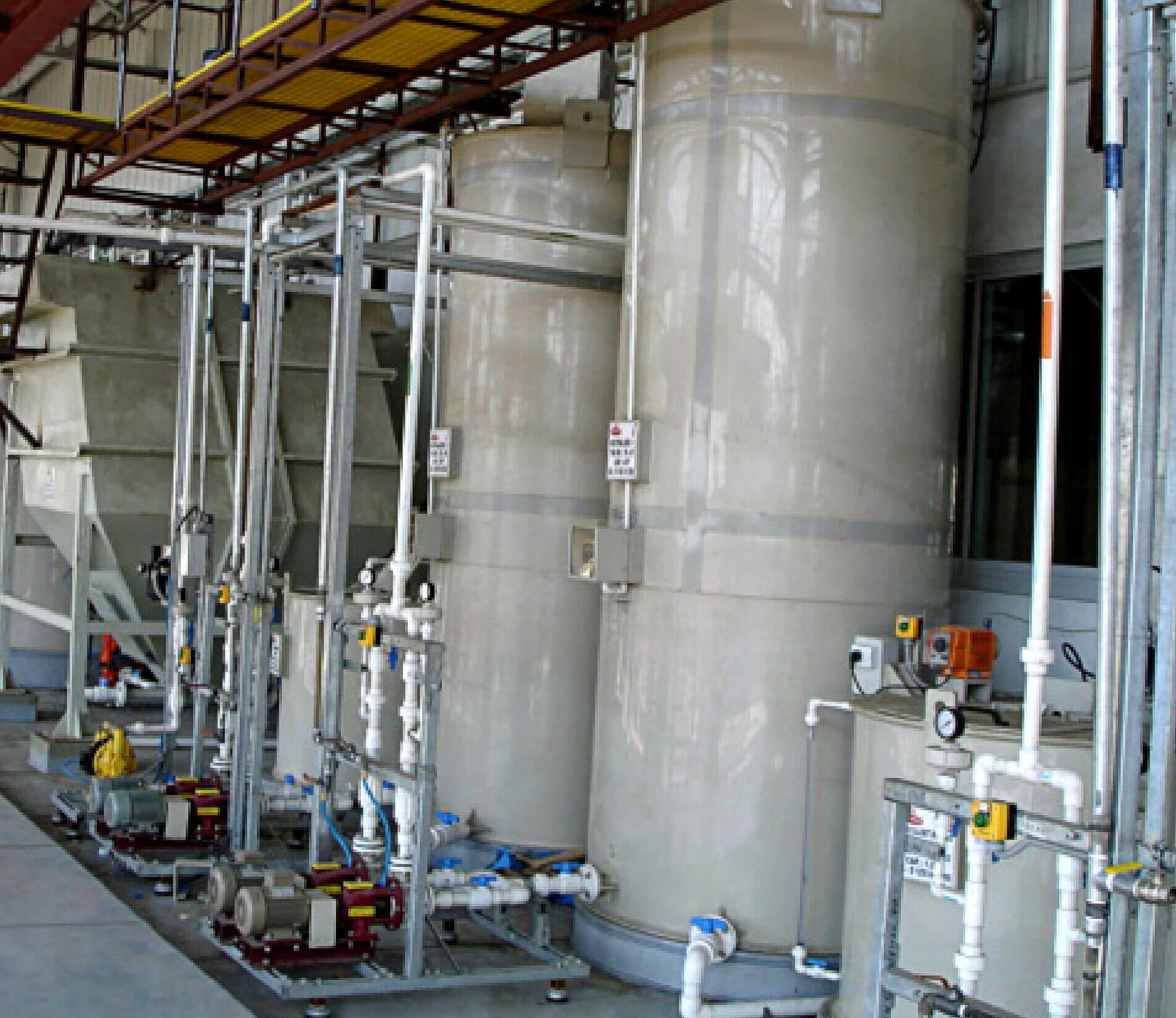
An Effluent Treatment Plant (ETP) is an engineered system designed to treat industrial wastewater by removing hazardous chemicals, suspended solids, dissolved solids, oils, grease, organic contaminants, heavy metals, and toxic substances. These pollutants, if discharged untreated, can cause severe soil contamination, water pollution, groundwater poisoning, and harm to human health and aquatic ecosystems.
ETPs are critical for helping industries meet environmental discharge standards set by CPCB (Central Pollution Control Board), SPCB (State Pollution Control Board), and EPA (Environmental Protection Agency). With growing regulatory pressure and increasing awareness of sustainable business practices, industries are now prioritizing wastewater treatment, recycling, and achieving Zero Liquid Discharge (ZLD).
Modern ETP systems use a combination of chemical, physical, and biological treatments along with advanced membrane technologies such as UF (Ultrafiltration), RO (Reverse Osmosis), and MBR (Membrane Bioreactor). Many contemporary plants integrate IoT-enabled monitoring systems, SCADA automation, and AI-driven performance optimization to enhance efficiency, reduce operating costs, and enable continuous compliance reporting.
By treating and recycling process water, ETPs help industries reduce up to 60–80% fresh water consumption, control environmental risks, reduce legal penalties, and promote long-term sustainability.
Talk to us